
Ice Fishing in Fort Erie
Long before ice fishing became a form of winter recreation, the practice was critical to the survival and sustenance of many local Indigenous communities.
Lake Erie and the Niagara River represented a veritable fish market for the Indigenous peoples of this area in all seasons. Recognizing that fish remained active under the ice, they developed innovative methods to access this food source during the coldest months of the year.
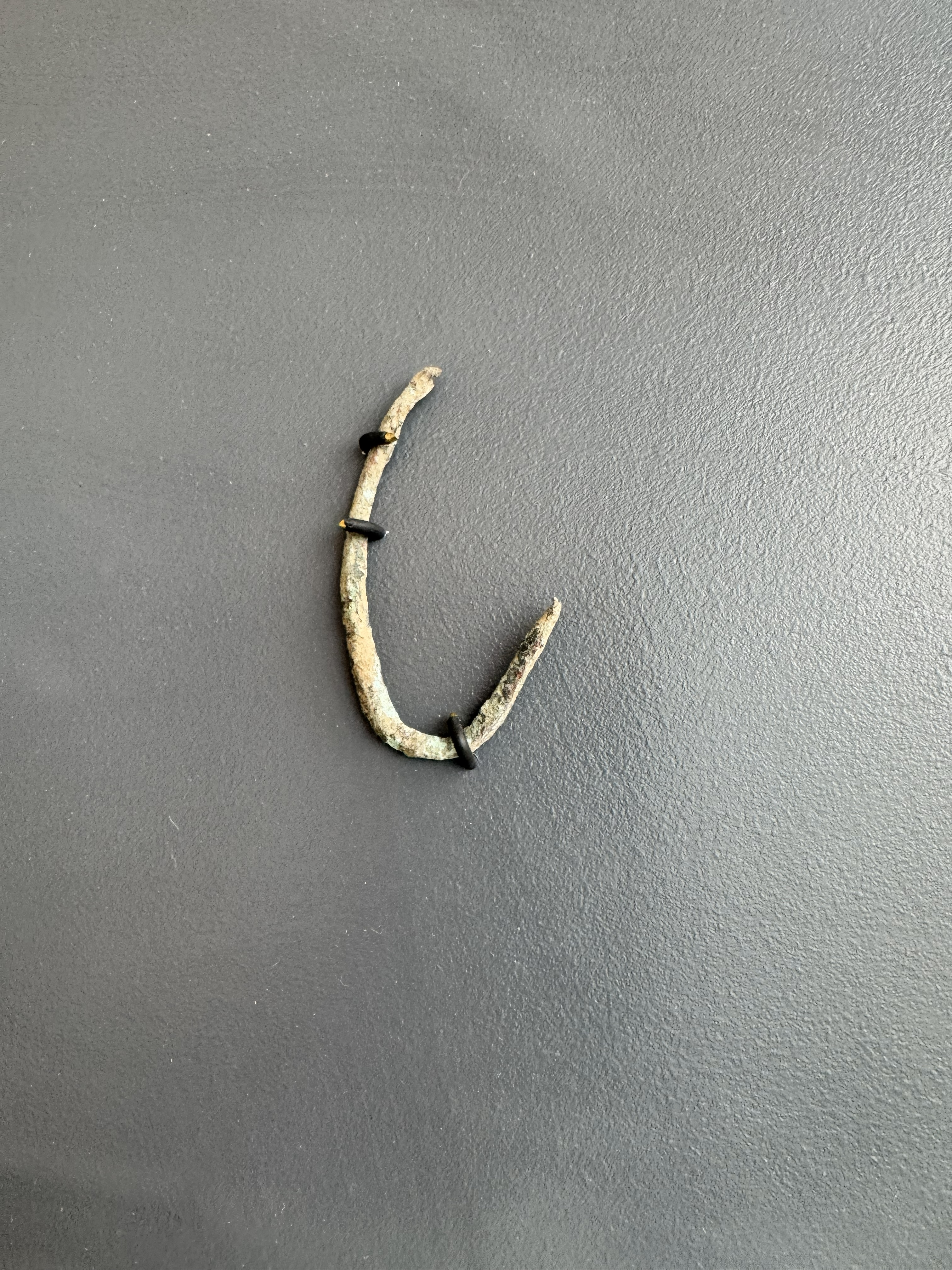
Using tools like bone or stone chisels, they would chip holes in the ice and then use a heavy wooden decoy to attract the fish into a net. Fishing methods evolved over time as new tools were developed, such as bone and copper hooks.
Below: A copper fishing hook c. 500 BC. On display at Mewinzha Archaeology and Indigenous History Gallery, 100 Queen St.
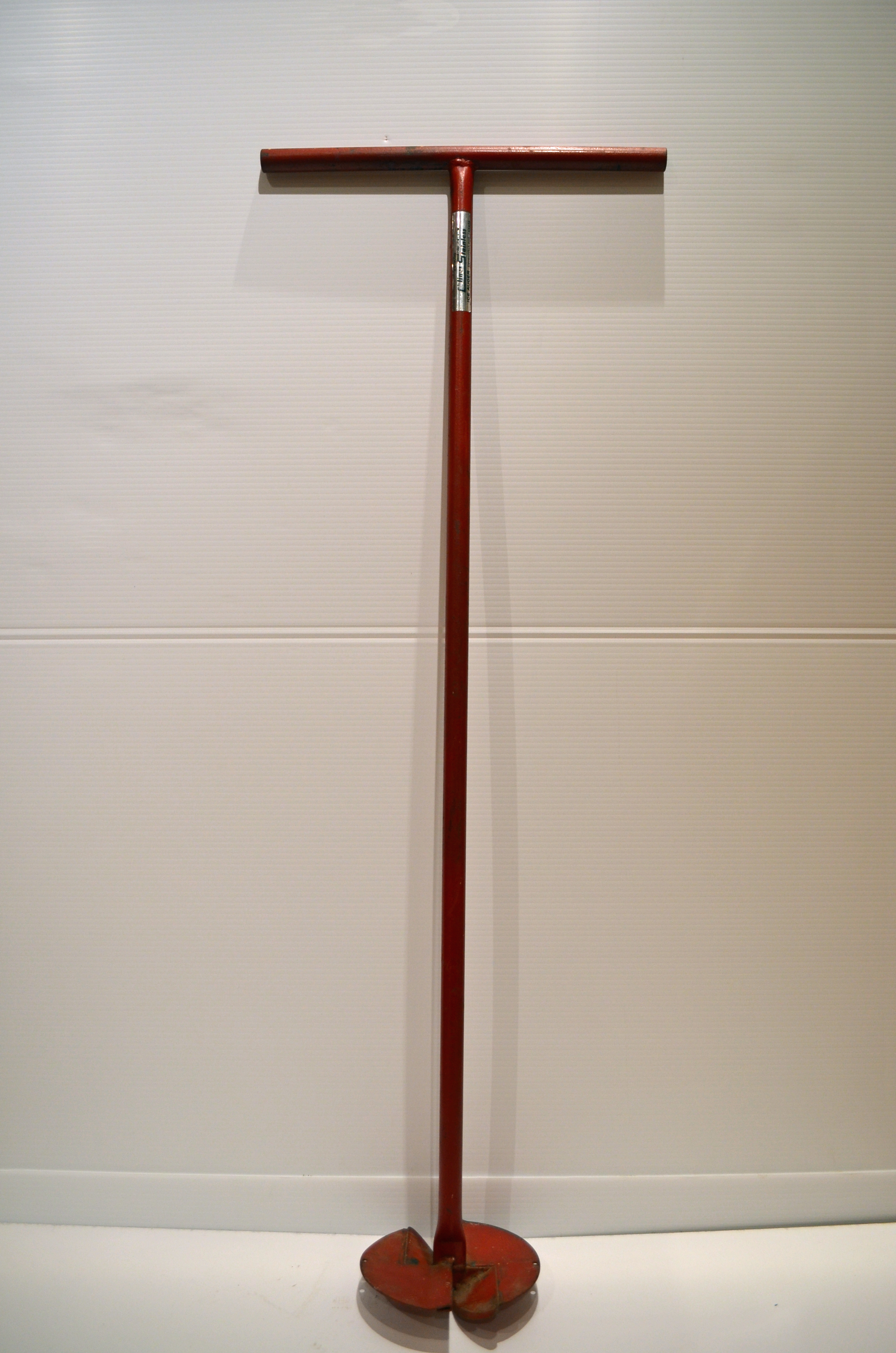
With the invention of fishing rods and reels, ice fishing started to become more recreational in the late 1800s. Additionally, the development of ice augers around the same time made the task of getting through the ice much easier.
Below: Cline’s Ornamental Ironcraft in Stevensville supplied most of the tools required for this hobby, from the fishing lures to the auger used to drill into the ice. The Genuine Cline Stainless Ice Auger was made at Cline’s from about 1940-1959.
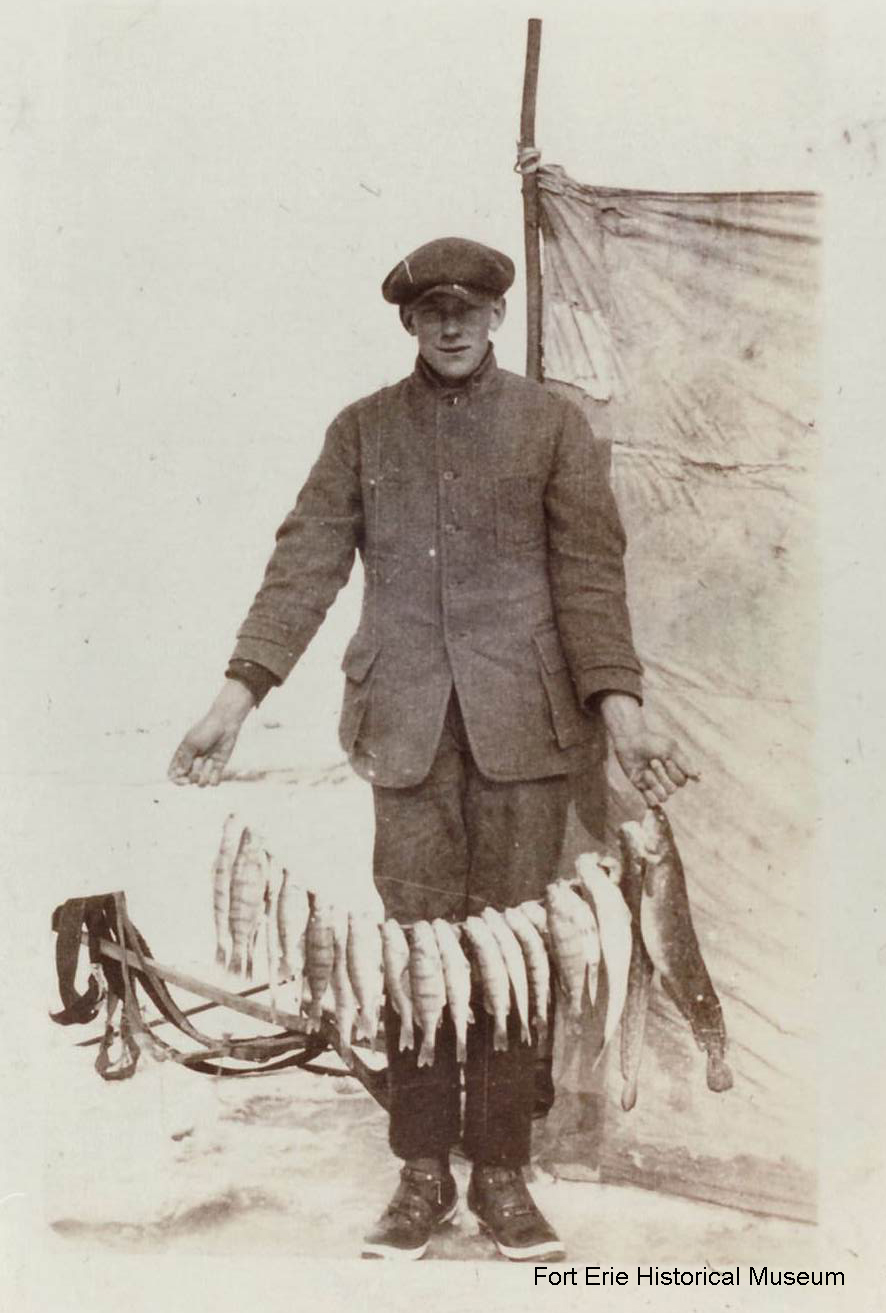
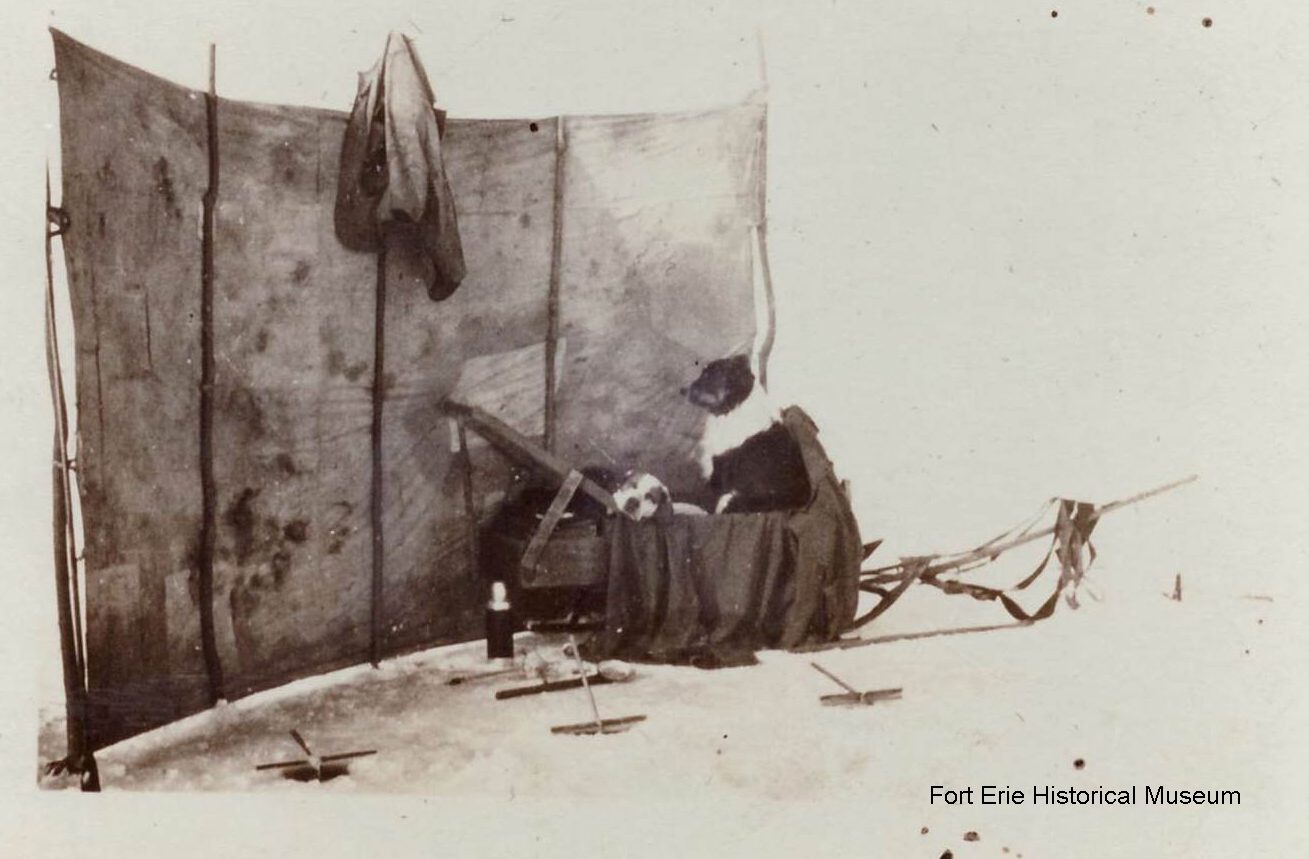
Although it is no longer a means of survival, ice fishing remains a popular source of fun for many Fort Erie locals. Do you brave the cold of winter to enjoy a fresh catch?
Below: Howard Fretz Sr. shown here ice fishing on Lake Erie in 1925.
Sign up to our Newsletter
Sign up to receive information from the Town of Fort Erie directly to your inbox. Check out the various categories of general news, and emergency notifications.